
Showing 1-10 of 27

A watched pot never boils
If you say a watched pot never boils, you mean that something seems to take much longer when you are waiting for it to happen. If you walk away from the pot and make yourself busy with something else, the water feels like it boils much faster.I've been sitting by the window all day waiting for this delivery. A watched pot never boils!

A wolf in sheep's clothing
The idiom a wolf in sheep's clothing describes someone who seems kind or harmless but is actually dangerous or dishonest. It warns people not to trust appearances.This idiom comes from an old story where a wolf dresses up as a sheep to sneak into the flock and eat the sheep.
We thought he was here to help, but he was really a wolf in sheep's clothing.

Like watching paint dry
If something is like watching paint dry it means i is extrtemely boring or slow.The expression comes from the idea of literally watching paint dry on a wall. Since paint dries slowly and nothing much happens while it does, the comparison suggests a very tedious experience.
The lecture was so dull it felt like watching paint dry.
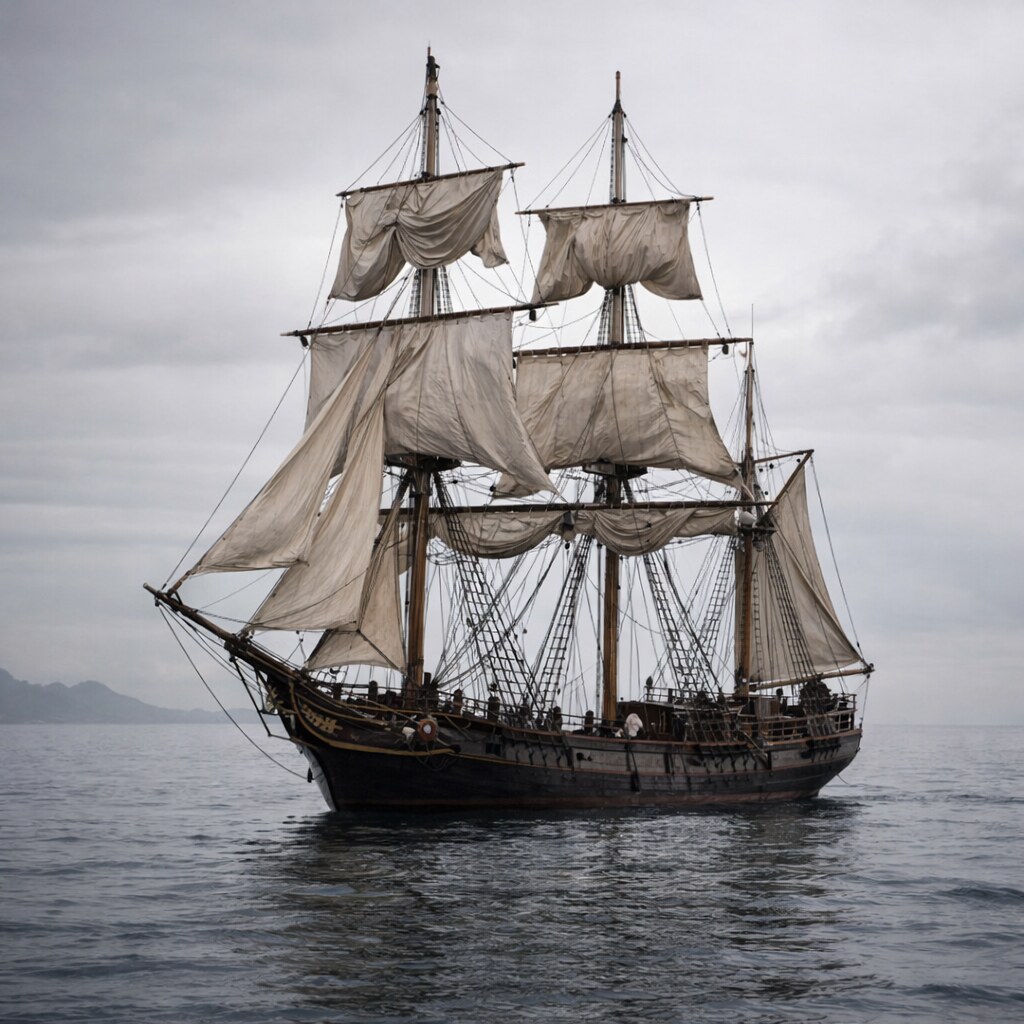
Take the wind out of your sails
The idiom to take the wind out of your sails means to suddenly make someone feel less confident, excited, or proud. It often happens when someone says or does something that weakens your argument or stops your momentum.The phrase originates from sailing. A sailing ship moves forward when wind fills its sails, but if the wind suddenly stops, the sails go slack and the ship slows down.
Him pointing out my error during the meeting really took the wind out of my sails.
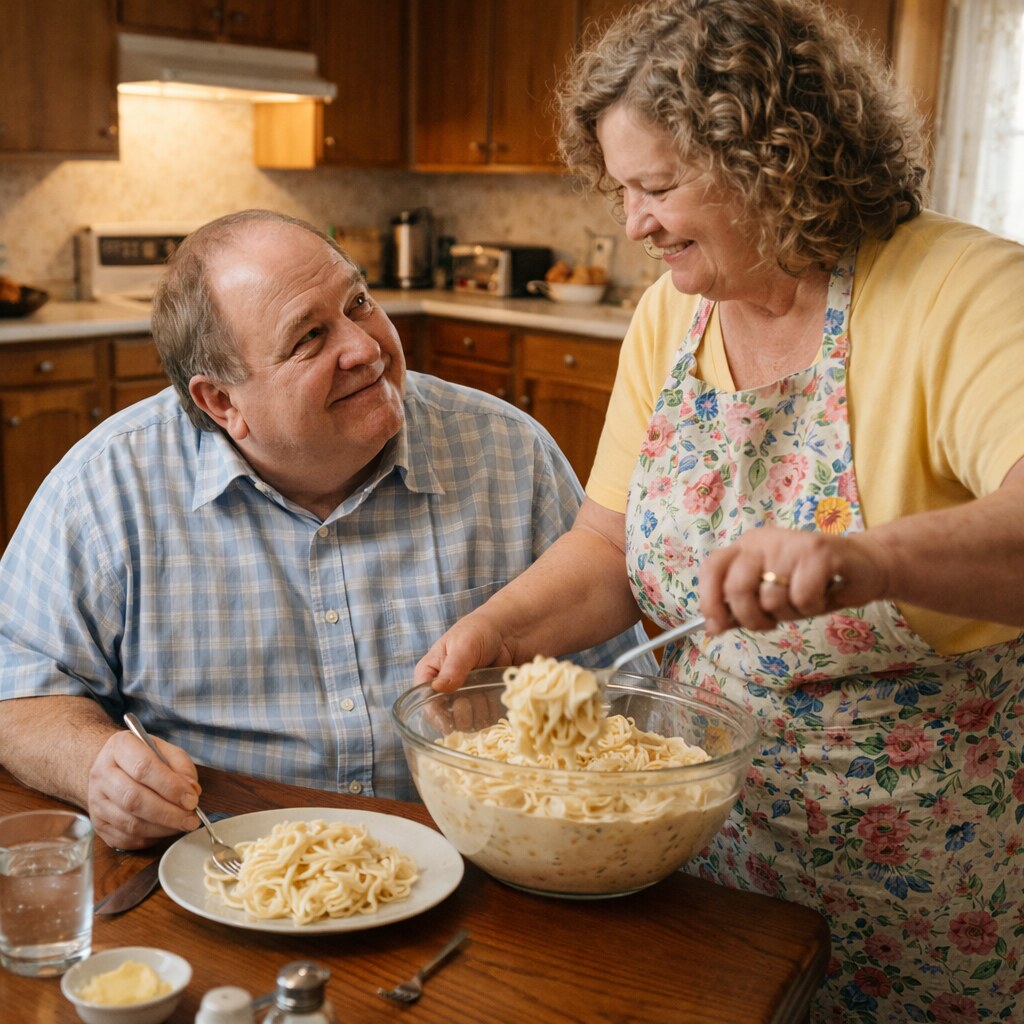
The way to a man's heart is through his stomach
The way to a man's heart is through his stomach means that preparing good food for someone can help win their affection, especially a man's.The proverb has been used in English since at least the 1800s. It reflects the long tradition of linking cooking and hospitality with affection and relationships.
After he tasted her homemade pasta, she joked that the way to a man's heart is through his stomach.
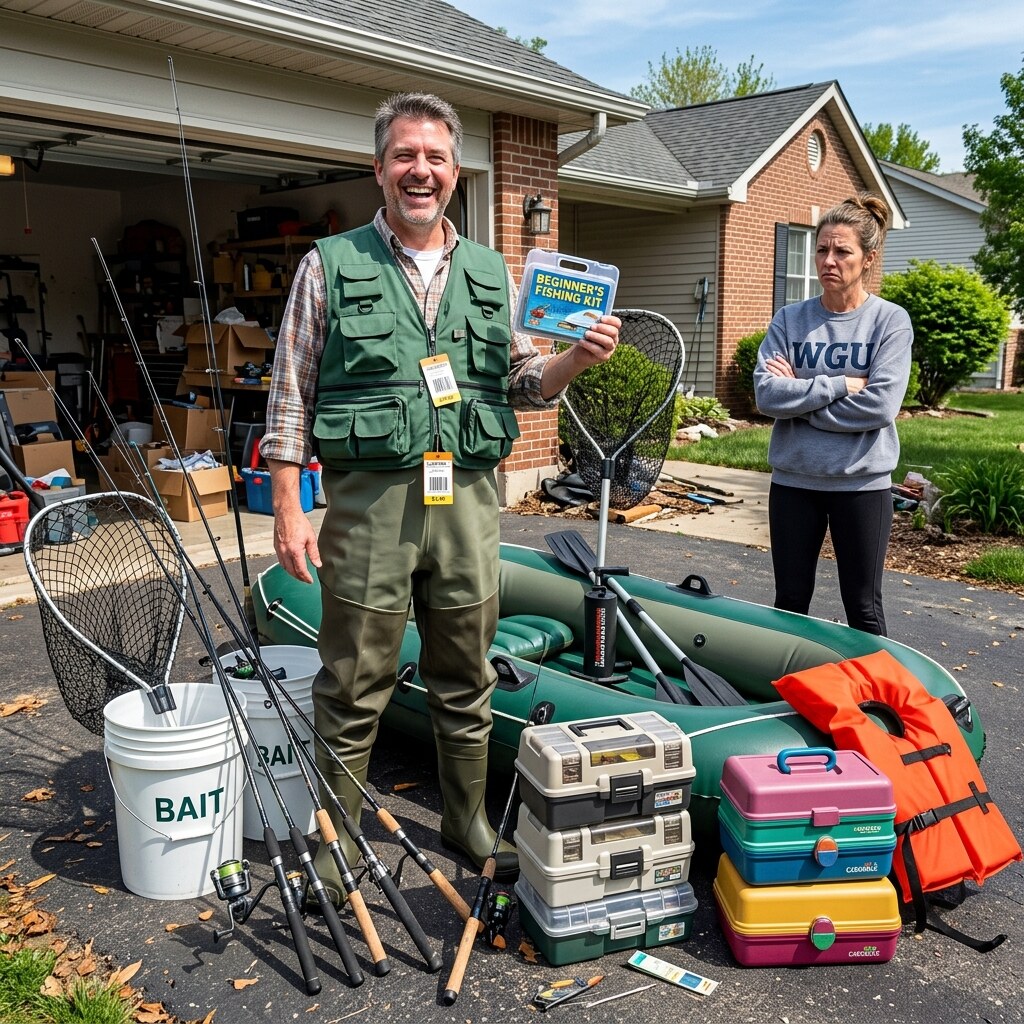
The whole kit and caboodle
The whole kit and caboodle means everything or the entire group of things. It is used when talking about all parts of something together, with nothing left out.The phrase likely comes from the word kit, meaning a collection of tools or belongings, and caboodle, a slang word that developed in the 1800s meaning the whole lot or collection of things.
They packed the whole kit and caboodle into the truck and moved to the new house.
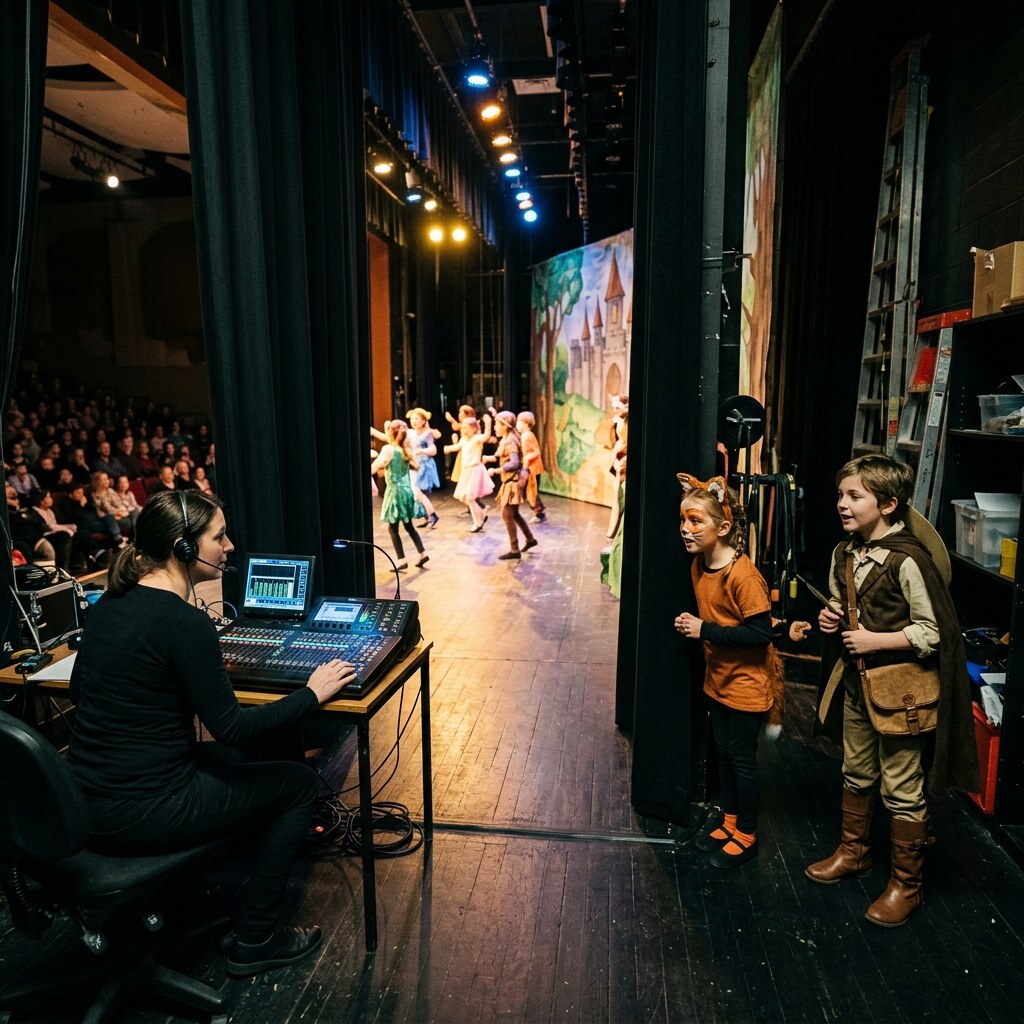
Waiting in the wings
Waiting in the wings means being ready to step in when the right moment arrives. A person may stay nearby while someone else is still in the main role.The phrase comes from theater. The wings are the side areas of a stage where actors stand out of view before making their entrance.
A new candidate was already waiting in the wings if the manager decided to leave.
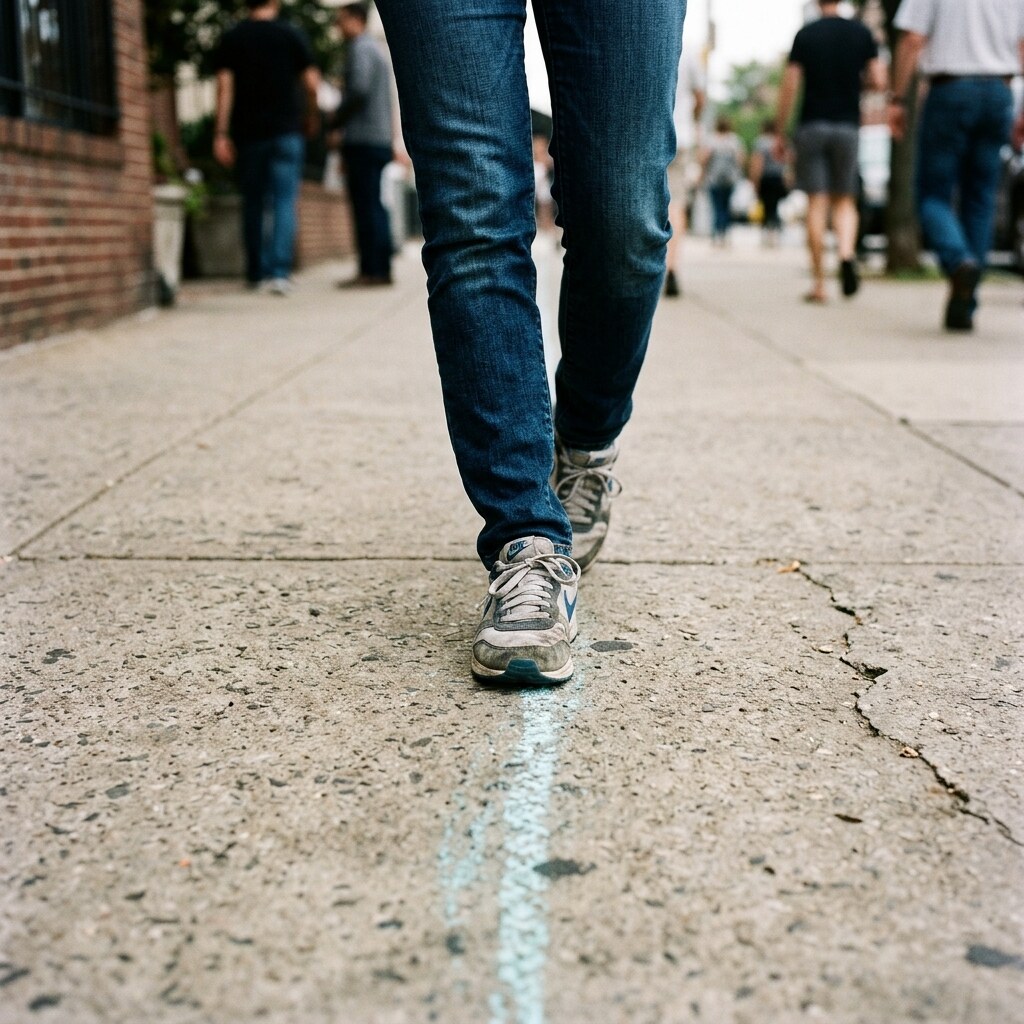
Walk a fine line
To walk a fine line, or sometimes to walk a tightrope, means to act very carefully in a situation where a small mistake could cause problems. This idiom can be used to describe trying to balance between two opposing pressures.The phrase comes from the image of walking along a very narrow line, where losing balance even slightly could lead to a fall. Over time it became a metaphor for handling a delicate or risky situation.
As a manager, she has to walk a fine line between being friendly with the team and enforcing the rules.

Walk on air
To walk on air means to feel extremely happy or excited. It is used when someone feels so joyful that they seem almost weightless.The expression comes from the image of a person being so light with happiness that it feels as if they could float or walk above the ground. It has been used in English since the early 1800s.
After hearing he got the job, he was walking on air.
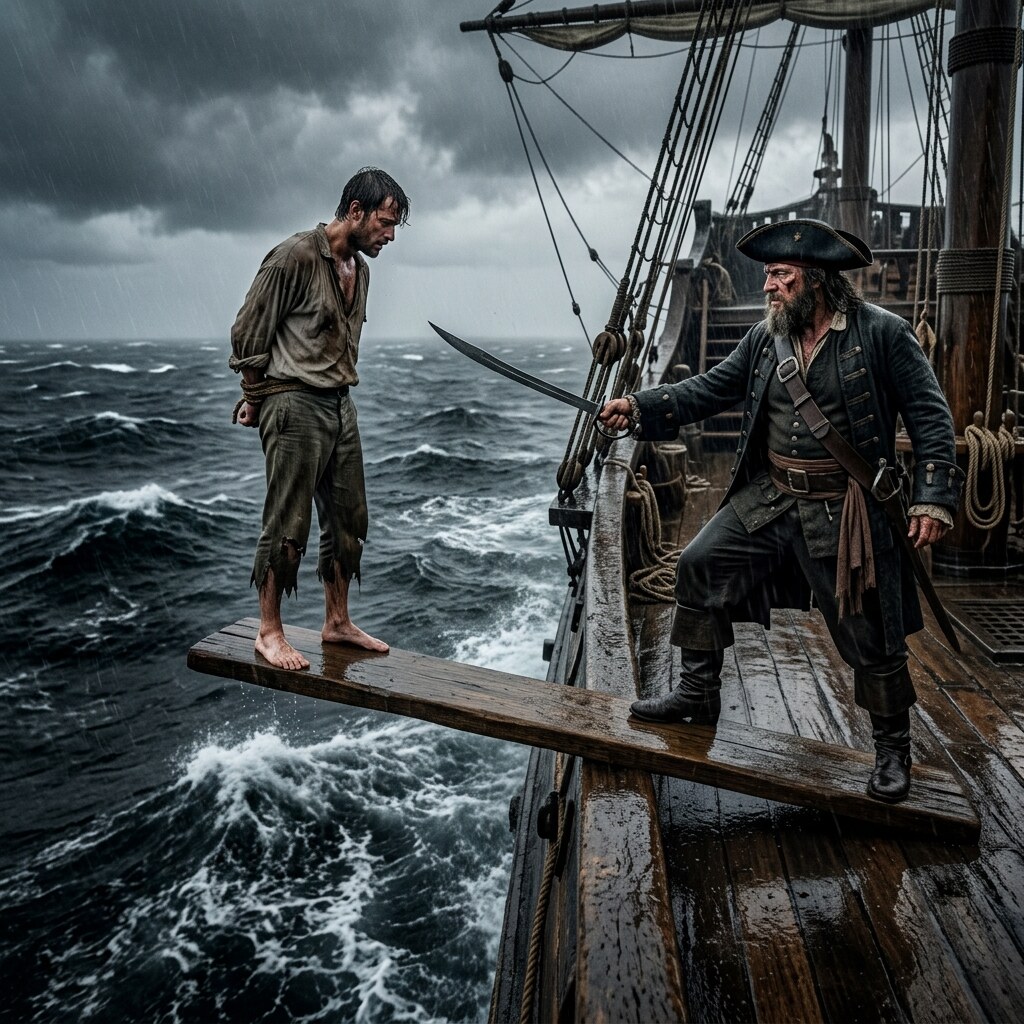
Walk the plank
To walk the plank means to be forced to face punishment. Today it is most often used jokingly to suggest someone must accept the consequences of their actions.The phrase comes from pirate stories in which a captive was forced to walk along a wooden plank extending from a ship and fall into the sea. Although popular in fiction, historians believe this practice was mostly a legend rather than a common real event.
After breaking the office printer again, he joked that he might have to walk the plank.