
Showing 1-10 of 32
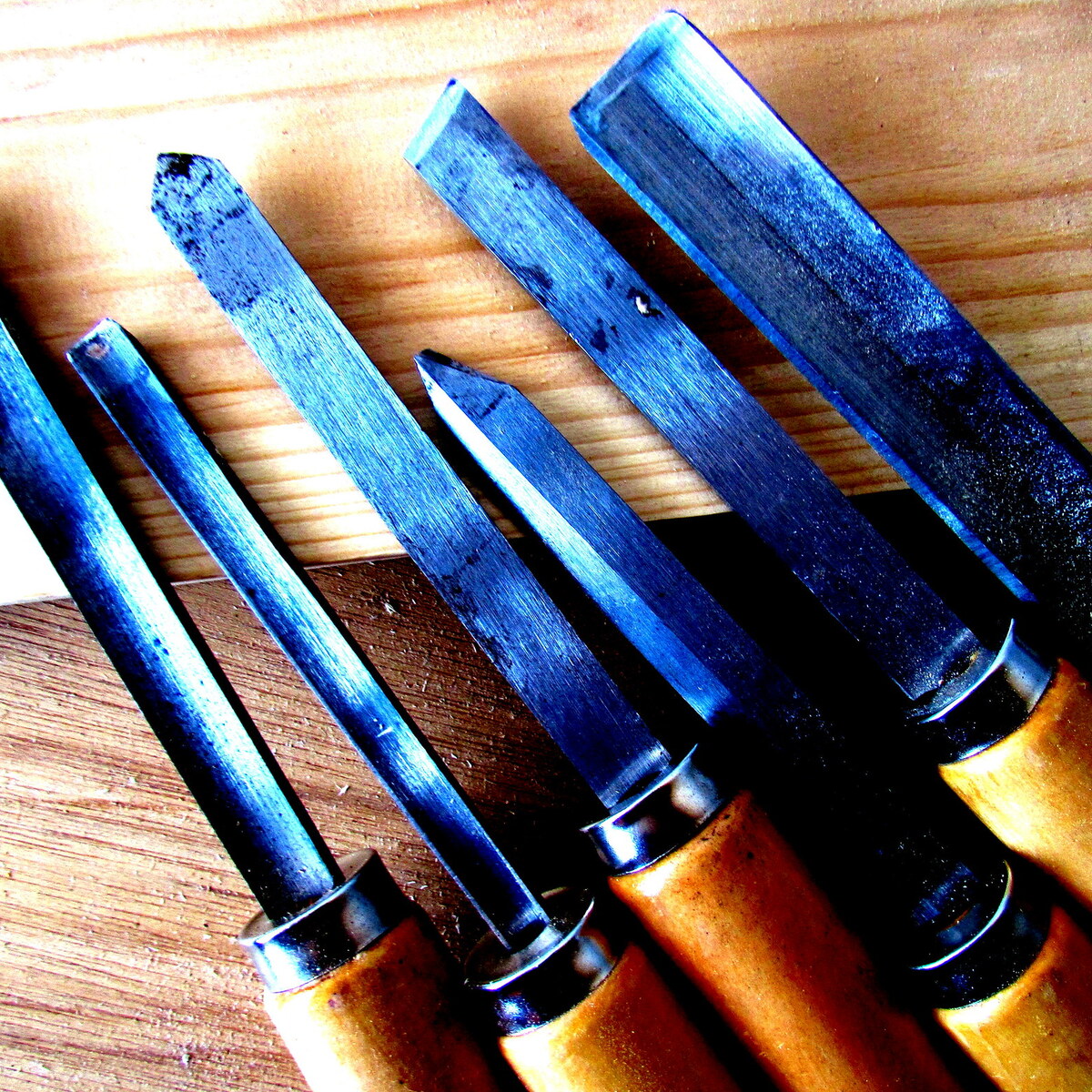
A bad workman always blames his tools
The saying a bad workman always blames his tools means that people who do a job poorly often blame their equipment instead of admitting their own mistakes. It suggests that lack of skill is usually the real problem, not the tools being used.The expression has been recorded in English since the 1600s. Variations of the same idea appear in several European languages, all pointing to the same observation that an unskilled worker will blame their tools rather than their ability.
He complained about the software, but a bad workman always blames his tools.
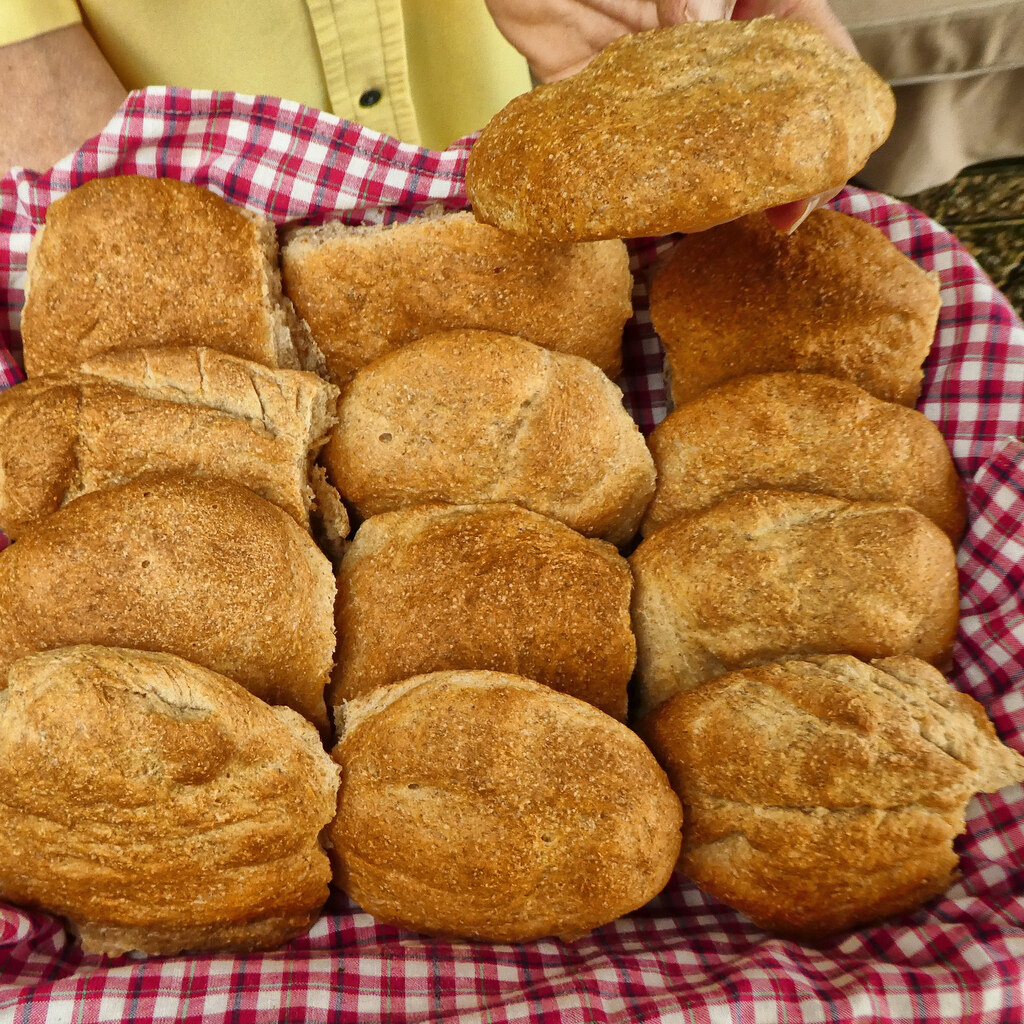
A baker's dozen
The phrase a baker's dozen means a group of thirteen items instead of the usual twelve.The saying comes from a historical practice where bakers added an extra item to an order to make sure they were not accused of giving too little. This extra item helped protect bakers from fines or punishment and became a well-known expression meaning "one more than expected."
The shop gave us a baker's dozen of rolls, so we received thirteen instead of twelve.
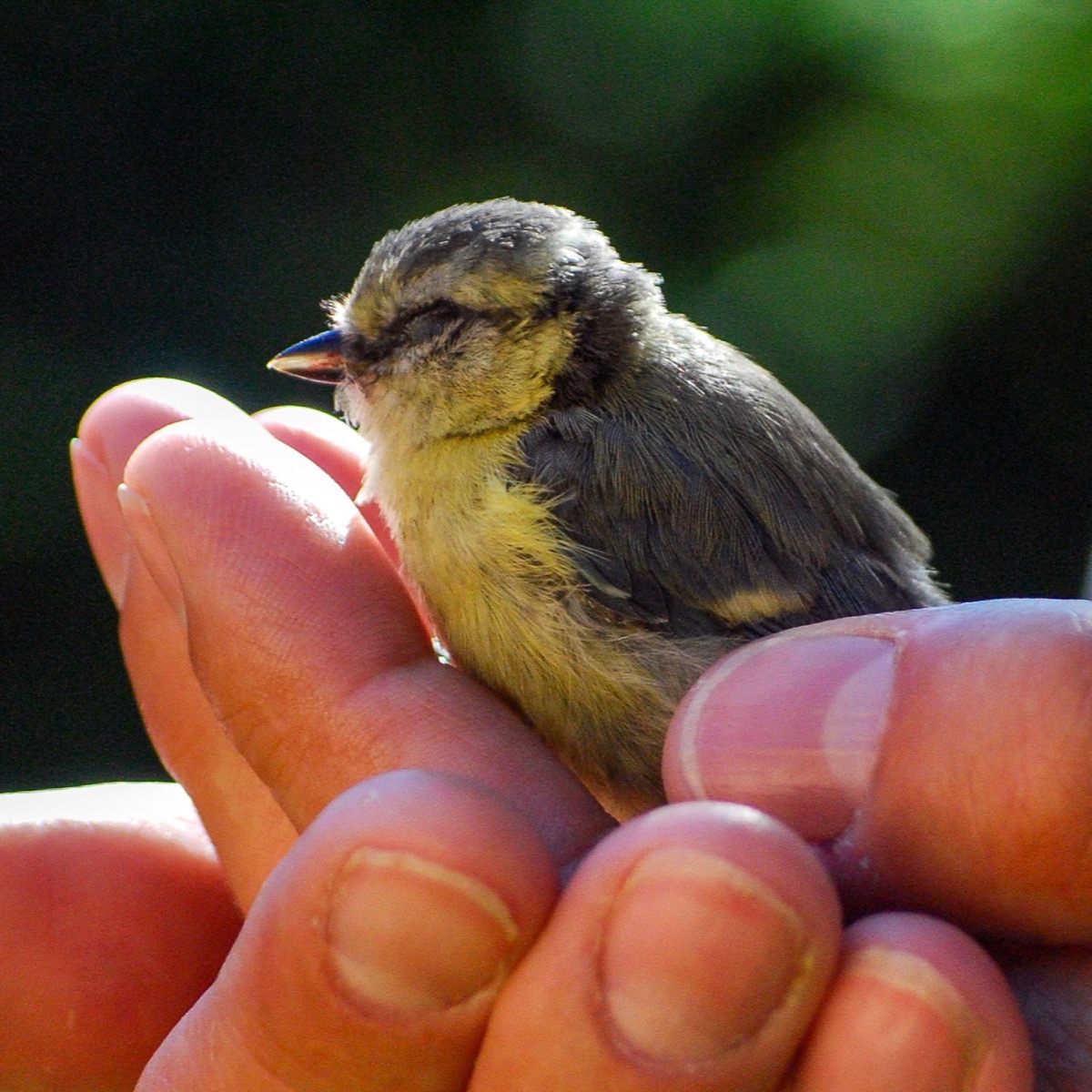
A bird in the hand is worth two in the bush
The phrase a bird in the hand is worth two in the bush means that it is better to keep something you already have than to risk losing it by trying to get more. It encourages people to value certainty over possible gain.The saying comes from hunting, where holding one bird still gets you dinner, but going after two may leave you hungry with no bird at all.
She kept her steady job, remembering that a bird in the hand is worth two in the bush.

Back to square one
The phrase back to square one means returning to the beginning after a plan or attempt has failed. It suggests that progress has been lost and everything must start again. It is a reference to board games where you can be made to go back to the first square. People often use this idiom when a solution does not work as expected.When the computer crashed, they were back to square one.
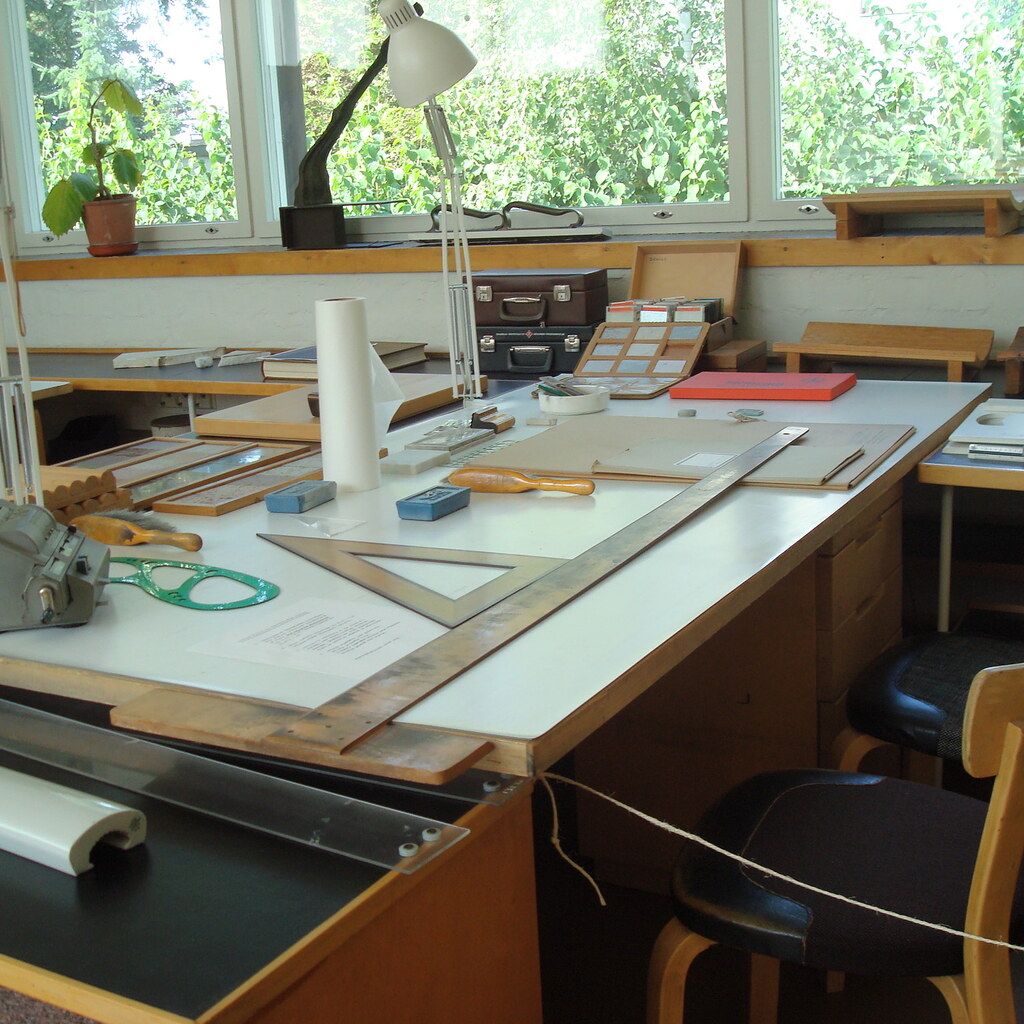
Back to the drawing board
The phrase back to the drawing board means that a plan has failed and must be started again from the beginning. It suggests that the original idea did not work and needs to be rethought or redesigned. The saying comes from engineering and design, where plans are drawn before something is built. When a design fails, the designer returns to the drawing board to create a new plan.When the experiment failed, the team went back to the drawing board.

Bark up the wrong tree
To bark up the wrong tree means to make a wrong guess or to blame the wrong person. The phrase comes from hunting dogs that bark at the base of the wrong tree, thinking the bird they are hunting is in this tree when it is in another one. It is used to explain a misunderstanding or mistaken belief.If you think I broke it, you are barking up the wrong tree.
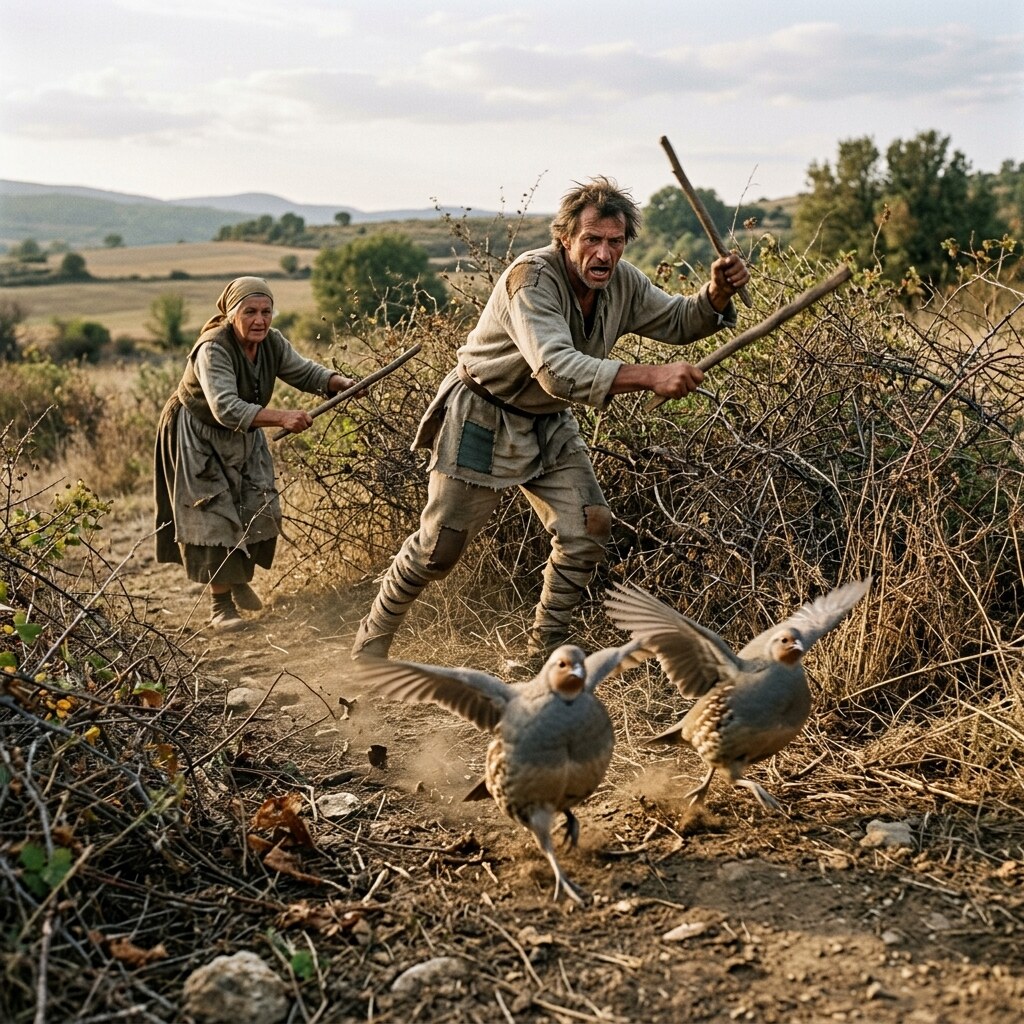
Beat around the bush
To beat around the bush means to avoid the main point of a conversation instead of speaking directly about the real issue. It usually describes someone who talks indirectly to avoid saying something uncomfortable.The phrase comes from hunting practices where people would beat bushes to drive birds out into the open. Someone who stayed around the bush instead of going straight for the target was not getting to the point.
Stop beating around the bush and tell me what you really think.
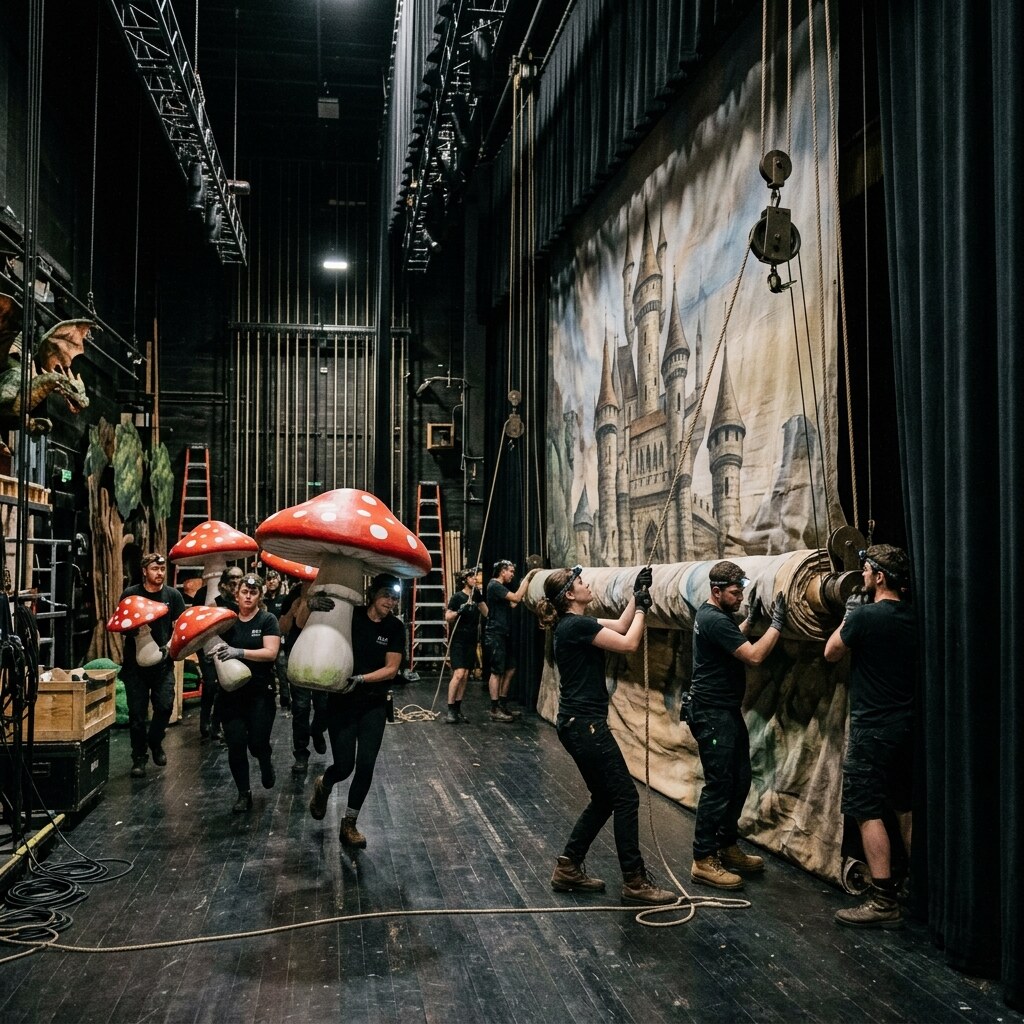
Behind the scenes
Behind the scenes refers to the work or activity that happens out of public view. There can be a lot of effort, but because it is behind the scenes people don't see it.The phrase comes from theater. The area behind the stage holds props, costumes, and stagehands who prepare the performance while the audience watches the front of the stage.
A small team worked behind the scenes to make the event run smoothly.
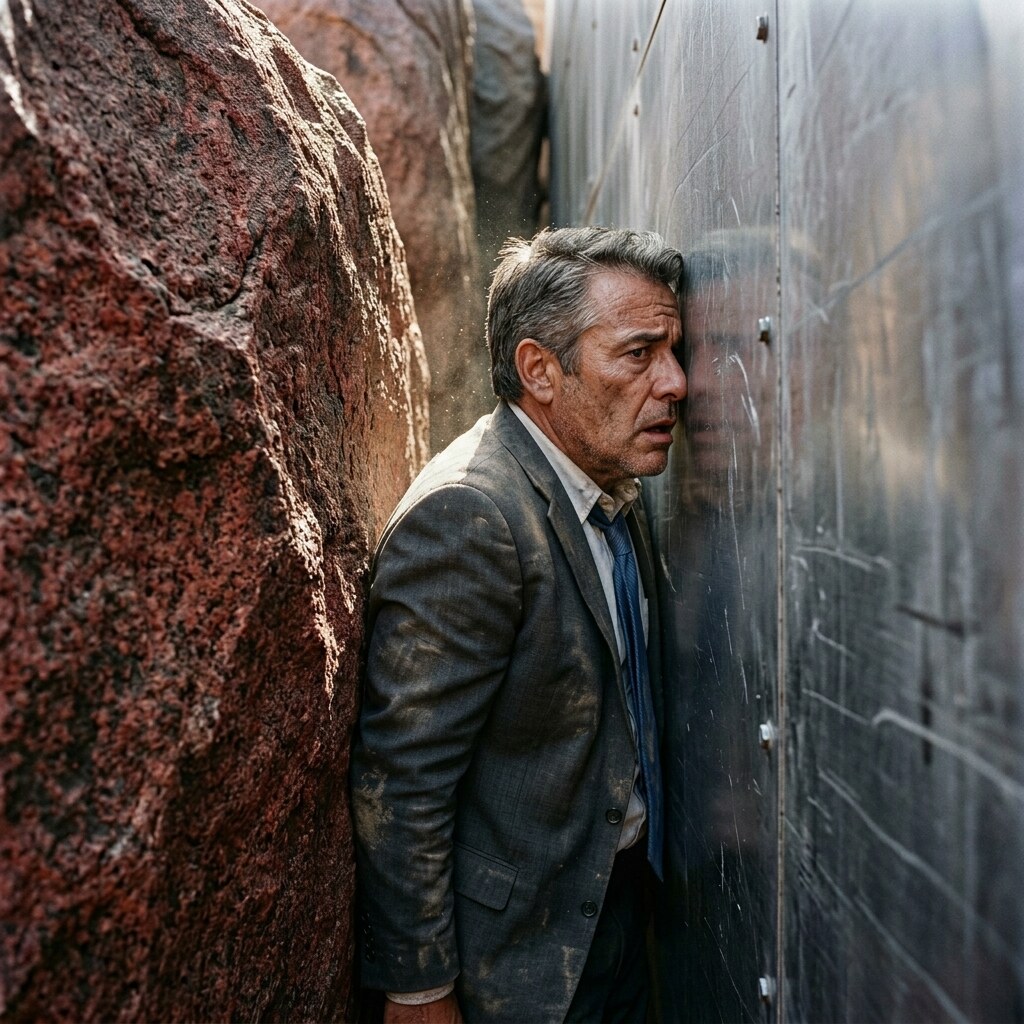
Between a rock and a hard place
To be between a rock and a hard place means to be stuck in a situation where both choices are difficult or unpleasant. No matter what you decide to do, neither option is good.The phrase became popular in the United States in the early 1900s and may come from stories about miners who faced dangerous working conditions and limited options. Over time it came to describe any situation where someone must choose between two bad alternatives.
She felt between a rock and a hard place when she had to choose between moving for a new job or staying close to her family.
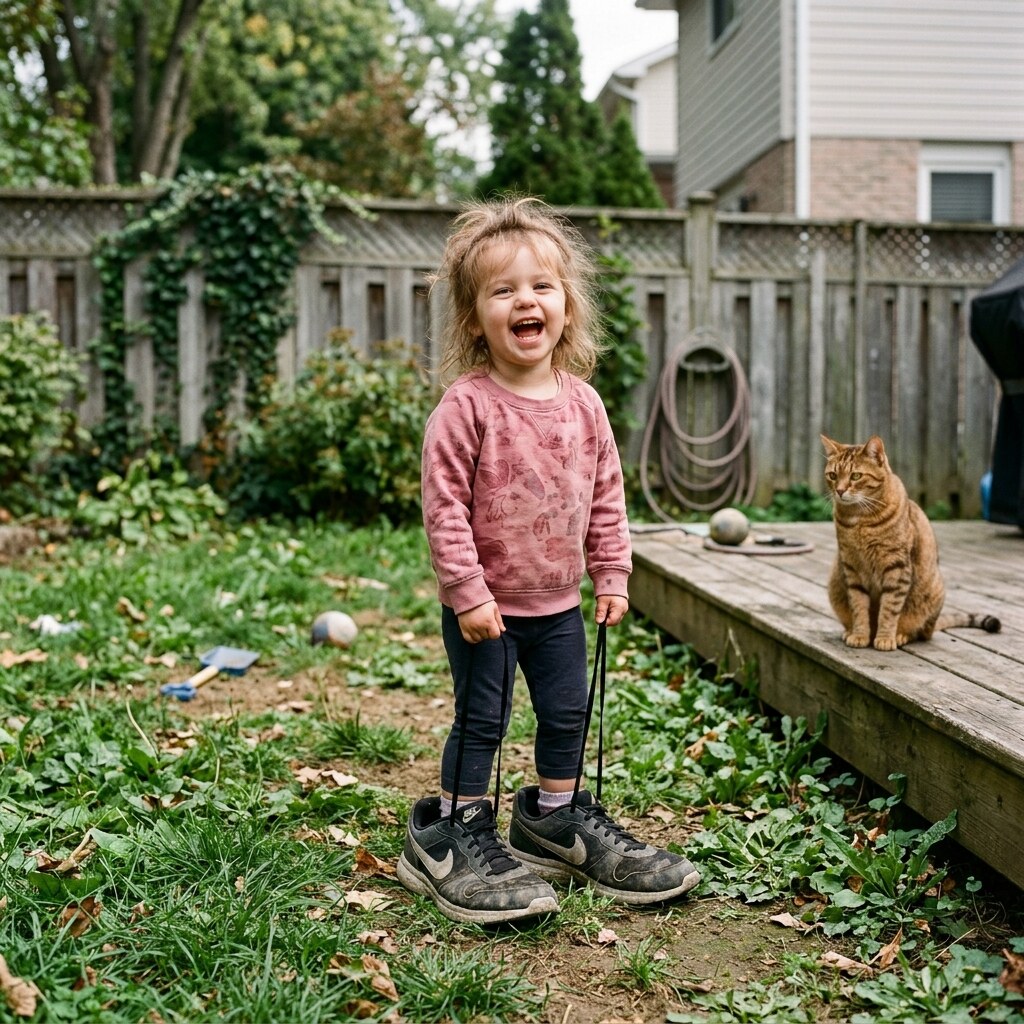
Big shoes to fill
If you have big shoes to fill it means taking over a role from someone who was very capable or respected, and people have high expectations of you.The phrase uses the image of stepping into another person's shoes. When the shoes are large, the new wearer is measured against the person who came before.
The new coach knew he had big shoes to fill after the previous coach retired.